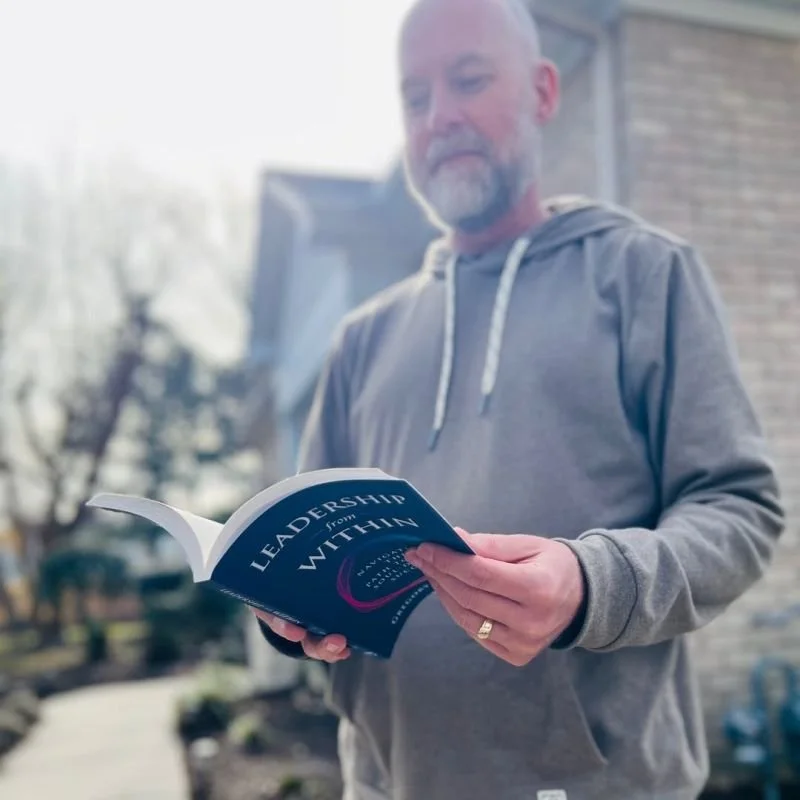
The Scary Blank Page: 70% of Writers Battle Imposter Syndrome - Here’s How I Beat It
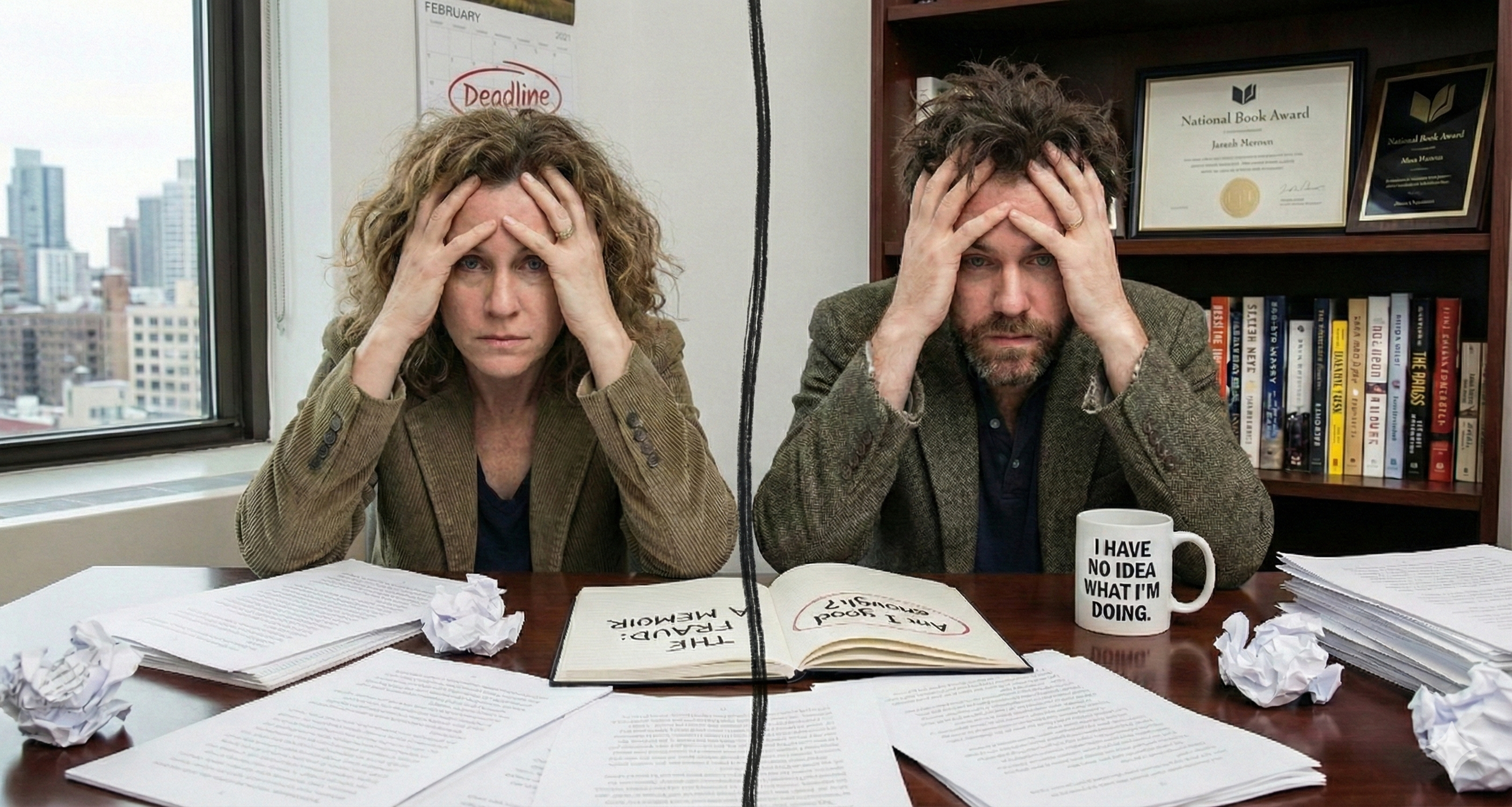
For years, I told people I wanted to write a book. I had thousands of words scattered in different documents, and tons more living in my head. Every time I stood at my desk to write, a voice in my head whispered the same question: Who do you think you are?
That voice had a name, though I didn't know it at the time. It was imposter syndrome, that persistent feeling of being a fraud, of waiting for someone to tap you on the shoulder and expose you as the pretender you secretly believe yourself to be. For writers, it's particularly insidious. We work in isolation, comparing our messy first drafts to other authors' polished final products, convinced that everyone else possesses some magical talent we lack. And the wanna-be author, Greg Woodard, got a D- in grammar in school (because of Ms. Lawson’s grace).
The Weight of an Unfinished Book
My imposter syndrome didn't announce itself with fanfare. It crept in quietly, disguising itself as perfectionism and “high standards.” It started the moment I typed “Chapter One” and immediately wondered if I should have written “Introduction” instead. Was my opening sentence compelling enough? Had someone else already written this exact book, but better? Should I even be attempting a work of non-fiction on a topic I knew many others had written on? After all, all I’ve ever done in writing is put up a few blog posts and a doctoral dissertation. No one knows me; my platform is small. No one will care about the book I want to write.
The self-doubt metastasized quickly. I'd write a paragraph, then spend an hour researching whether I'd used a semicolon correctly. I'd draft a chapter, then convince myself it was garbage and delete it entirely. I’d send out pieces of my writing to various editors, wondering if I actually knew what I was doing. I would receive some critical feedback (in hindsight, it was actually constructive) that confirmed my “who am I to write this book?”
How Imposter Syndrome Manifests
Procrastination became my closest companion. I told myself I needed to read more books in my genre first, to study the craft more deeply. I enrolled in online writing courses and read tons of advice from successful authors. I filled written pages with advice from successful authors, publishers, and coaches. All of it was useful, but it was also a convenient excuse to avoid the terrifying vulnerability of actually finishing something that someone will read. After all, you can't fail at writing a book if you never complete one. And the odds are stacked against you. Consider this telling statistic: 80% of people say they want to write a book, 15% start, 6% get halfway through, and 3% make it to the finish line.
The comparison trap was perhaps the cruelest manifestation of my imposter syndrome. I'd scroll through social media and see other writers announcing book deals, sharing glowing reviews, posting photos of their novels and non-fiction works on bookstore shelves. They would post pictures of themselves signing a book contract and then months later, opening a box of their newly published book.
Each success felt like evidence of my own inadequacy. They were real writers. I was just someone playing pretend, typing words into a document that would never see the light of day. I'd look at authors I admired—people who'd published multiple books, won awards, built careers—and think, “They belong here. I don't.”
I felt unqualified in every possible way. I graduated middle of my high school class, packed a four-year college degree into ten years of my life, missed being an honor graduate in my Master of Arts by a couple of percentage points, and did not complete my doctoral work until I was in my fifties. I hadn't been published in magazines. I didn't have connections in the publishing industry. Traditional publishers said no, and I could not find an agent willing to take a chance on me. I wasn't even sure I understood the basic structure I should use to write the book. Surely, I thought, real authors didn't struggle like this. I’m sure they sat down, and the words just flowed, perfect and complete.
The Turning Point
Instead, another author laughed. Not unkindly, but with recognition. “Oh my,” she said. “I thought I was the only one.” She told me about her own imposter syndrome, how she'd nearly abandoned her second novel because she was convinced her first book's success was a fluke. She told me that every author she knew—every single one—felt this way.
The turning point came on an unremarkable morning, a couple of months after I retired from the Navy. I joined an online workshop where someone talked about how it is possible for people like me, those with a book in their head and heart, to get it into the world. This was someone who had spent years working for a traditional publisher I respected and who had worked with some big-name people to help bring their books to market. Over time, I came to join his coaching group more deeply. I confessed everything: the paralysis, the self-doubt, the certainty that I was a fraud. I expected sympathy, maybe some gentle encouragement. There was some empathy, but more than that, a push to write through fear. “Don’t let fear keep you from writing the book someone needs to read,” someone in the group said.
That conversation cracked something open in me. I realized I'd been waiting for permission to call myself a writer, waiting to feel “ready,” waiting for the imposter syndrome to disappear before I could proceed. But what if it never disappeared? What if the feeling of being a fraud was just part of the process, something to acknowledge and work alongside rather than something to overcome before beginning?
Writing Through the Doubt
I joined a writing group where we shared our messy, unfinished work. Hearing other writers’ doubts and struggles normalized my own. I stopped comparing my beginning to others' middles. I started celebrating small victories—a completed chapter, writing through a hard concept that finally worked, a story from my journey that helped make the concept understandable on the page.
I made a decision that morning: I would finish the book while feeling like an imposter. I would write it badly, messily, imperfectly. I gave myself permission to write what Anne Lamott calls a “[crappy] first draft.” I blocked time on my calendar to write every day and wrote without editing, without researching, without stopping to question whether I was qualified. When the voice whispered who do you think you are?, I answered back: “I'm someone writing a book.” And I kept writing. Tomorrow, and next week, and next month. I committed to being one of the 3% of people who complete and publish a book, no matter what.
Twelve or so months later, I typed “Your calling, your true calling begins now.” That line completed my manuscript. The manuscript wasn't perfect. It needed revision, editing, and probably a complete rewrite of several chapters. But it existed. I had written a book.
From Manuscript to Published Book
The path to publication brought new waves of imposter syndrome, querying agents, facing rejection, wondering if I should just self-publish, and doubting whether anyone would actually want to read my work. But I'd learned something crucial: the feeling of being a fraud doesn't mean you are one. It just means you're doing something that matters to you, something that makes you vulnerable.
When I finally held my published book in my hands, the imposter syndrome didn't vanish. Even now, I sometimes wonder if I deserve to call myself an author. But I've learned that “real writers” aren't people who never doubt themselves. Real writers are simply people who write anyway.
The lesson I carry forward is this: you don't need to feel qualified to begin. You don't need to silence the voice that questions your worthiness. You just need to write the next sentence, and then the next, until one day you look up and realize you've built something real. The blank page will always be intimidating. But it's also full of possibility—and it's waiting for your imperfect, authentic, gloriously human words.
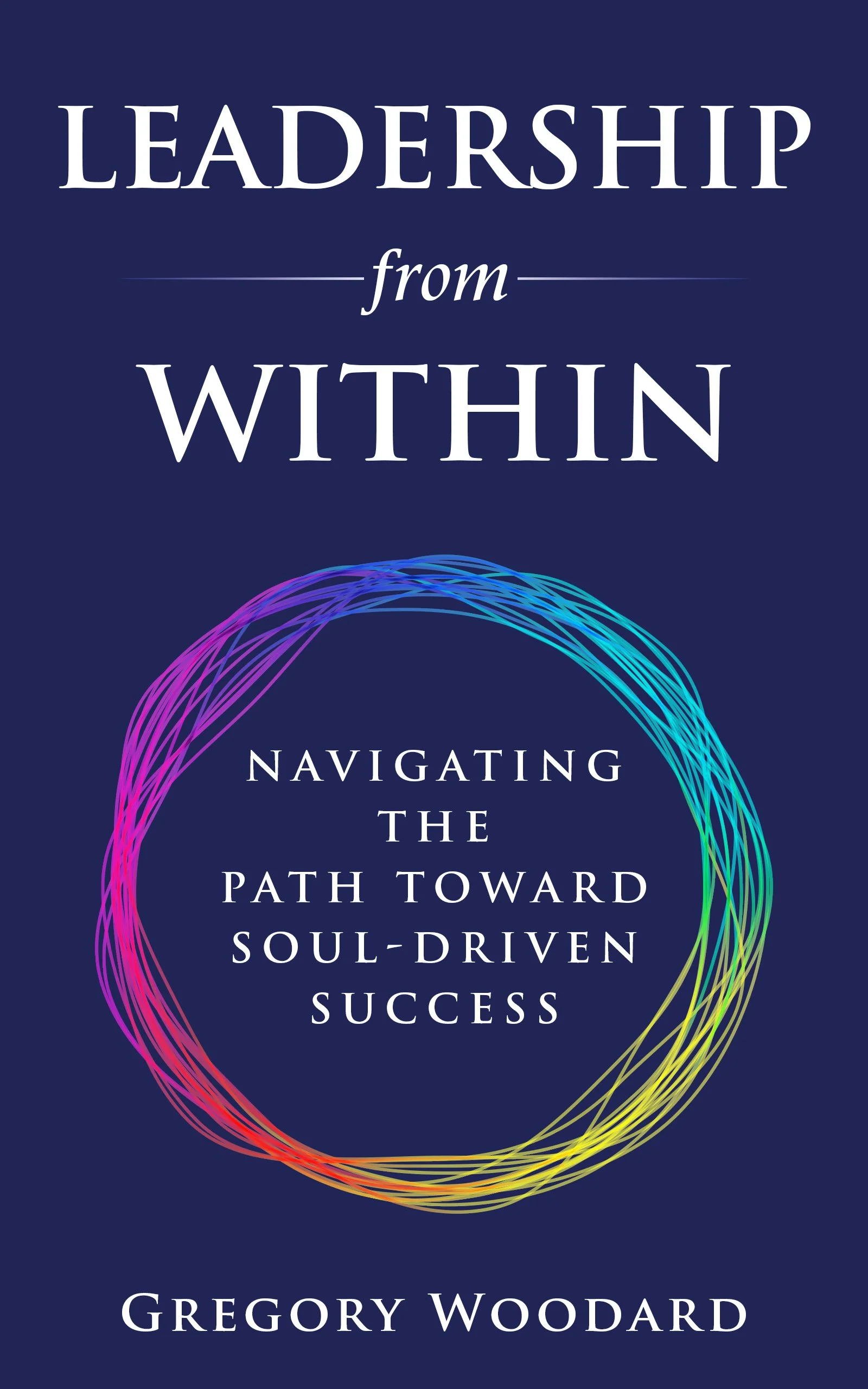
My book, Leadership from Within, exists in the wild. My copy sits on a shelf in my home office to remind me of what is possible. Imposter syndrome is a real deal. Don’t let it keep you from writing that book living in you. The world needs your message. And if I can put a book into the world, so can you!
Write scared!!