
Three Daily Disciplines That Transformed My Leadership (And Can Transform Yours)
There's a moment every leader faces—usually around 2 AM—when you realize you're running on fumes.
For me, it happened during a deployment. After a late call with my family, I sat alone, knowing I had a sermon to deliver in a few hours but unable to quiet my mind. I was meeting with people, listening to their pain, meeting needs where I could. And I was running on empty. Separated from every support system, I was effective but hollow.
Sound familiar?
Here's what nobody tells you about leadership: the higher you climb, the more you need practices that ground you. The busier your calendar becomes, the more essential it is to create space for stillness.
I learned this the hard way. Below, I share the practices that pulled me back from burnout and transformed my leadership.
The Crisis of Sustainable Leadership
We're facing a leadership sustainability crisis. Studies show 70% of HR leaders report increased burnout, and 70% of C-suite executives are considering quitting to protect their well-being. The problem isn't lack of competence—it's that we're leading from empty wells.
We want immediate results—the wisdom our mentors spent decades acquiring, the resilience from weathering storms, the spiritual depth from years of practice. But as Hebrews 12:11 reminds us, "No discipline is enjoyable while it is happening—it's painful! But afterward there will be a peaceful harvest of right living for those who are trained in this way."
My friend Chris ran the 2024 Marine Corps Marathon. For months, he trained daily. He wasn't the fastest, but he crossed the finish line because he'd done the work. People with grand intentions but no training didn't make it past the first miles. The leaders who finish well aren't the most talented—they're the ones who embraced daily disciplines.
Why Spiritual Disciplines Are Your Competitive Advantage
Leaders who maintain contemplative practices demonstrate 32% better stress management and 28% improved strategic thinking, according to the Journal of Management. Research shows executives who engage in spiritual disciplines report higher job satisfaction and work-life integration. Their teams report higher trust and psychological safety.
Spiritual disciplines—what Dallas Willard called "activities of mind and body purposefully undertaken, to bring our personality and total being into effective cooperation with the divine order"—fundamentally change how we show up as leaders. They help us:
Make better decisions under pressure
Maintain emotional resilience during crises
Lead with greater presence and authenticity
Avoid burnout by aligning with how we were designed to function
Think about anyone who's gotten good at something they care about—the guitarist who practices scales daily, the parent who reads to their kids every night, the cook who perfects their grandmother's recipe through repetition. They choose consistent practice because meaningful results require ordinary, daily commitment. The same pursuit of spiritual disciplines will lead us toward our purpose as leaders.
I created a seven-page spiritual rhythm guide (pulled from my longer Leading Without Burning Out guide*). You can get your copy by completing and sending the form below.
*The guide will still have the burnout title - never fear, only the spiritual rhythms section is included.
Three Personal Practices: Your Daily Foundation
In the Christian tradition, today is Ash Wednesday, the beginning of Lent. It is common during Lent to be more reflective by removing something from your schedule to allow more time for reflection.
These three contemplative practices have helped me engage my heart and create space for God to speak into my life. Consider emphasizing these practices in your life over the 47 days between today and Easter Sunday.
Note that the time commitment for these three practices is only 20 minutes. Feel the freedom to adjust the times for each to fit your current season of life.
Practice 1: Solitude and Silence (5 minutes)
Solitude is purposeful abstinence from interaction and distractions. Silence is removing interruptions and noise—freeing yourself from words or music.
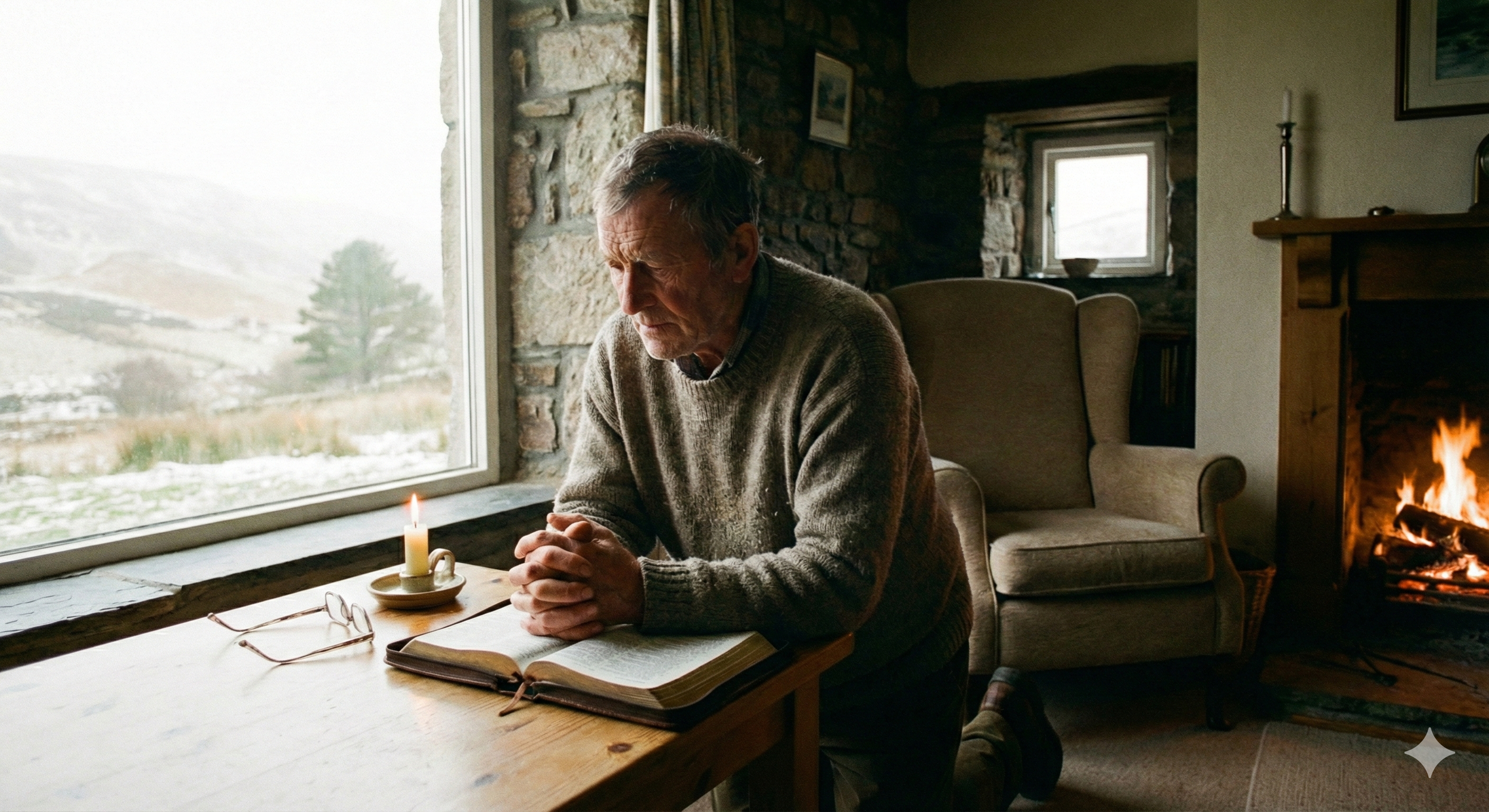
Before your day begins, find a quiet spot. Sit comfortably. Light a candle. Briefly consider what's on your mind and consciously release it. Set a timer for five minutes. Ask God to help you practice intentional listening. When the timer goes off, journal what you heard.
That's it. No pressure for profound insights. Just show up and be still. Over time, you'll find yourself more attuned to God's voice.
Practice 2: Lectio Divina (10 minutes)
Lectio divina—sacred, reflective reading of Scripture—is rediscovering the Bible as a place of intimacy. As Dietrich Bonhoeffer wrote: "Just as we do not analyze the words of someone we love, we should receive the Word of Scripture and ponder it in our hearts."
This practice follows four simple steps:
Read: Listen for the word or phrase that comes alive
Reflect: How does this touch my life?
Respond: What is my response to God?
Resolve: How can I live out this Word?
Start with a short passage. Read slowly, paying attention to what catches your attention. Ask God what he wants to say to you through this text today.
Remember: this is for you. Not for the next person you'll counsel. This is God speaking personally to you about your leadership.
Practice 3: Contemplative Prayer (5 minutes)
Contemplative prayer is about listening, not speaking. We adopt a posture of receiving. As Ruth Barton reminds us, we come to God with "empty hands and empty hearts, having no agenda."
After your time of silence and Scripture, remain in that quiet space. Settle into quietness with God and simply say, "Here I am. I am with you." Meditate on the word or phrase that emerged during your reading. When distracted, gently refocus. Listen attentively, then reflect on what you sensed God saying.
In the quiet, God speaks to the deeper places in our hearts—the fears we don't acknowledge, the wounds we haven't healed, the false beliefs that drive our decisions. He whispers. And we can only hear whispers when we're still.
Three Group Practices: Leadership in Community
Personal practices are essential, but leadership doesn't happen in isolation. Here are three group practices that create cultures of sustainable leadership.
Practice 1: Mentoring
Mentoring is a relationship where one person empowers another by sharing their life, experiences, and God-given resources.
Imagine if every team member mentored at least one teammate. The multiplier effect would be extraordinary.
Pray over your team. Who might God be leading you to mentor? Don't wait for the perfect person or time. Just start. And consider: Where are you stuck? Who is where you want to be? Ask them to mentor you. The best leaders remain lifelong learners.
Practice 2: Fellowship
Fellowship builds strong relationships within a team, fostering a sense of belonging. This includes time together inside and outside the office, with conversations centered on our lives and relationships—not just work.
I've led teams that were highly productive but relationally shallow. When the crisis hit, they struggled. I've also led teams that invested in fellowship—when challenges came, they faced them together with resilience.
If it's not on the calendar, it won't happen. Schedule quarterly team-building events. Plan family events during work hours. Take your team off-site annually for vision casting. These are investments in the relational bonds that sustain high-performing teams.
Practice 3: Service
Service is offering our time, treasure, influence, and talent for the care of others.
During deployments, I've taken teams to serve at schools and retirement communities. These projects helped personnel see beyond themselves and learn the value of giving to those with greater needs.
Shared service reminds us to walk the talk. It builds team cohesion in ways office activities never can.
Reflect together on the Good Samaritan in Luke 10:25-37. Then decide what you can do locally to address tangible needs. Make service a regular rhythm, not an occasional event.
Making It Work in Real Life
"But I'm already overwhelmed. How do I add this to my schedule?"
You're not adding to your schedule. You're restructuring it around what matters most.
Start with the 20-Minute Morning Routine
5 minutes: Solitude and silence
10 minutes: Lectio divina
5 minutes: Contemplative prayer
Set your alarm twenty minutes earlier. Protect this time as you would your most important meeting. Because it is—with God, with yourself, with what really matters.
Create Workplace Rituals
When you step into your office, develop a start-up ritual. Close your door, take a few minutes of silent reflection. Offer your day to God. This shifts your entire day from reactive to intentional.
Build buffers between meetings. Use those minutes to reset yourself. During administrative work, set a timer to remind yourself to take a break.
Build Gradually
Don't try to implement all six practices at once. Start with the morning routine. Once that becomes a habit (give it 30 days), add one group practice. Sustainable change happens incrementally.
The Transformation You Can Expect
I won't promise these practices will magically solve all your challenges. But here's what I've observed over twenty-five years:
Leaders who maintain consistent spiritual disciplines demonstrate greater emotional resilience during crises. They make better decisions under pressure because they've cultivated the capacity to listen—to God, to their teams, to their intuition. They avoid burnout because they've learned to draw from a deeper well.
These disciplines aren't about becoming more religious. They're about becoming more fully human, more fully present, more fully alive to God's work in your leadership. They're about sustainable leadership for the long haul.
As Hebrews 12:11 reminds us, "No discipline is enjoyable while it is happening—it's painful! But afterward there will be a peaceful harvest of right living for those who are trained in this way." The disciplines create space for that formation. They're not escape routes from difficulty but pathways through it.
Your Lent Challenge
Here's my challenge: Commit to the 20-minute morning routine for the duration of Lent (Lent 2026 ends on Easter Sunday, April 6).
Here's what to do:
Set your alarm 20 minutes earlier starting tomorrow
Find a quiet spot in your home
Bring your Bible and a journal
Follow the three personal practices
Notice what changes in your day, your decisions, your leadership
The marathon runner who crosses the finish line isn't the one with the most natural talent. It's the one who showed up for training, day after day. The same is true for leadership. The leaders who finish well are those who have embraced daily disciplines.
You don't need to be perfect at these practices. You just need to start. Twenty minutes tomorrow morning. That's all.
Will you take the challenge? Comment below and let me know you're in.
I’d love to support you on this journey. This Lenten season is a great time to check out spiritual direction.
I offer Christ-centered spiritual direction to help you pay attention to God's personal communication to you, respond to this personally communicating God, and grow in intimacy with Jesus. Together, we'll explore prayer and contemplative practices that bring peace, healing, and direction—all grounded in biblical truth.
Go here to schedule time with me.
Are you ready?
