
Leadership Strength Isn't Independence—It's Skillful Connection

Breaking the Porcupine Paradox Through Psychological Safety and Belongingness
Arthur Schopenhauer once described the porcupine paradox: A group of porcupines huddles together to share heat during cold weather. However, they prick one another with their quills as they get closer. The cold draws them back together, and the cycle repeats. The paradox is simple yet profound: the porcupines need each other, but sometimes they hurt each other.
This paradox perfectly captures the reality of leadership relationships. As leaders, we desperately need strong relational connections—they're vital to our effectiveness and essential for navigating the complex challenges of modern leadership. Yet these same relationships can wound us, disappoint us, and sometimes leave us questioning whether the pain is worth it.
Great leaders understand that this paradox doesn't eliminate the need for relationships—it makes skillful relationships more crucial. Your effectiveness depends not on avoiding the wounds but on building connections worth the risk. It's about resilience, understanding that the pain is part of the process, and emerging stronger from it.
The answer, backed by decades of research in organizational psychology and my experience in military leadership, spiritual leadership, and crisis management, is a resounding yes. The relationships are worth it, but only if we understand how to build them correctly.
Understanding the Porcupine Paradox in Leadership Relationships
Research shows that leaders who maintain strong peer relationships are five times more likely to be high performers and three times more likely to report high job satisfaction. Many senior leaders report feeling lonely in their roles, citing isolation as their most significant leadership challenge.
This isolation isn't just uncomfortable—it's dangerous. When leaders operate in relational silos, they lose access to diverse perspectives, honest feedback, and the emotional support necessary for sound decision-making under pressure. The qualities that help someone rise to leadership—confidence, decisiveness, vision—can become liabilities when they prevent leaders from seeking the input and support they need.
The key insight from the porcupine paradox is this: Past hurts in leadership relationships should not cause us to avoid future relationships. The porcupine paradox makes team leadership more challenging but no less worthwhile. The solution isn't to avoid the quills—it's to learn from them, huddle more skillfully, and build even stronger relationships.
Barrier Leadership Styles vs. Resonating Leadership Styles
Leaders generally fall into two categories: those who create barriers and those who create resonance.
The Three Barrier Styles
Hierarchical Leadership operates through rigid reporting systems that marginalize team members. These leaders create distance through formal structures, making others feel excluded from meaningful decision-making processes. In crisis leadership situations, hierarchical leaders often fail because they've cut themselves off from ground-level intelligence and creative solutions.
Domineering Leadership relies on force and intimidation. Team members would feel “knotted up before meetings and hollowed out afterward.” This approach might produce short-term compliance but destroys the psychological safety necessary for effective stress management and innovative problem-solving.
Scattered Leaders are characterized by disorganization and heavy dependence on subordinates. These leaders lack systems and struggle with basic management tasks, creating chaos that undermines team confidence and effectiveness.
The Three Resonating Styles
In contrast, resonating leadership styles build strong teams and develop other leaders:
Servant Leadership prioritizes team needs over personal ambition. I witnessed this in a young Marine leader who prioritized his Marines’ needs above his own comfort.
Transformational Leadership inspires shared vision through moral character and creativity. These leaders cast a strong vision, model moral character, and approach challenges creatively.
Team-Oriented Leadership flattens organizational structure to achieve shared goals. These leaders understand that the best ideas can come from anywhere in the organization and create systems that harness collective intelligence rather than relying solely on top-down direction.
The Psychology of Belongingness for Leaders
Here’s a truth that many leadership development programs miss: Leaders who create a sense of belonging for others must first experience a sense of belonging themselves. You cannot give what you do not have.
Belongingness, the need to feel connected, valued, and understood, becomes even more critical in leadership roles.
The psychological weight of leadership makes isolation especially costly. Stress impairs judgment, leading to poor decisions that generate more stress and perpetuate a dangerous cycle.
Creating Psychological Safety While Maintaining Authority
One of the most challenging aspects of leadership is balancing authority with approachability. The key: authority comes from competence, character, and care - not position. When team members trust you care for them, they offer honest feedback and loyal support.
Research from Google's Project Aristotle found that psychological safety was the most crucial factor in team effectiveness, more so than individual talent or resources. Teams with high psychological safety were 67% more likely to report that they could show vulnerability and ask for help, and 47% more likely to report that they could take risks without feeling insecure or embarrassed.
Creating this environment requires intentional practices:
Model Vulnerability
Ask for Feedback Regularly
Respond to Mistakes with Curiosity, Not Judgment
Celebrate Learning and Growth
Building Your Personal Board of Directors
Every effective leader needs a personal board of directors. This group is carefully curated and provides support, wisdom, and accountability built for relational resilience, not professional enhancement.
Your personal board should include:
Mentors: Leaders who are further along in their journey and can provide wisdom based on experience, helping you avoid common pitfalls.
Peers: Leaders facing similar challenges who can provide mutual support, accountability, and fresh perspectives.
Coaches: Professional guides who can help you develop specific skills, work through challenges, and clarify your goals and values.
Personal Support: Friends and family members who know you beyond your professional role and can provide emotional support, perspective, and grounding.
Reverse Mentors: Younger or less experienced individuals who can offer fresh perspectives, challenge your assumptions, and help you stay connected to emerging trends and ideas.
The key is intentionality. As Proverbs 11:14 reminds us: “Without wise leadership, a nation falls; there is safety in having many advisors.” Building these relationships requires time, vulnerability, and mutual investment, but the payoff regarding leadership effectiveness and personal fulfillment is immeasurable.
The Path Forward: Embracing Relational Leadership
True strength isn't the ability to go it alone; it's the wisdom to know when and how to lean on others. It is the skill to huddle effectively despite the inevitable quills. As you reflect on your leadership journey, consider: Are you creating barriers or building bridges? Do you reach for connection when it’s hardest to do so?
Your leadership legacy depends on it. And so do the people you serve.
Ready to start? This week, contact one person in each personal board category with a specific request for connection, advice, and support. Your effectiveness tomorrow begins with the connections you nurture today.
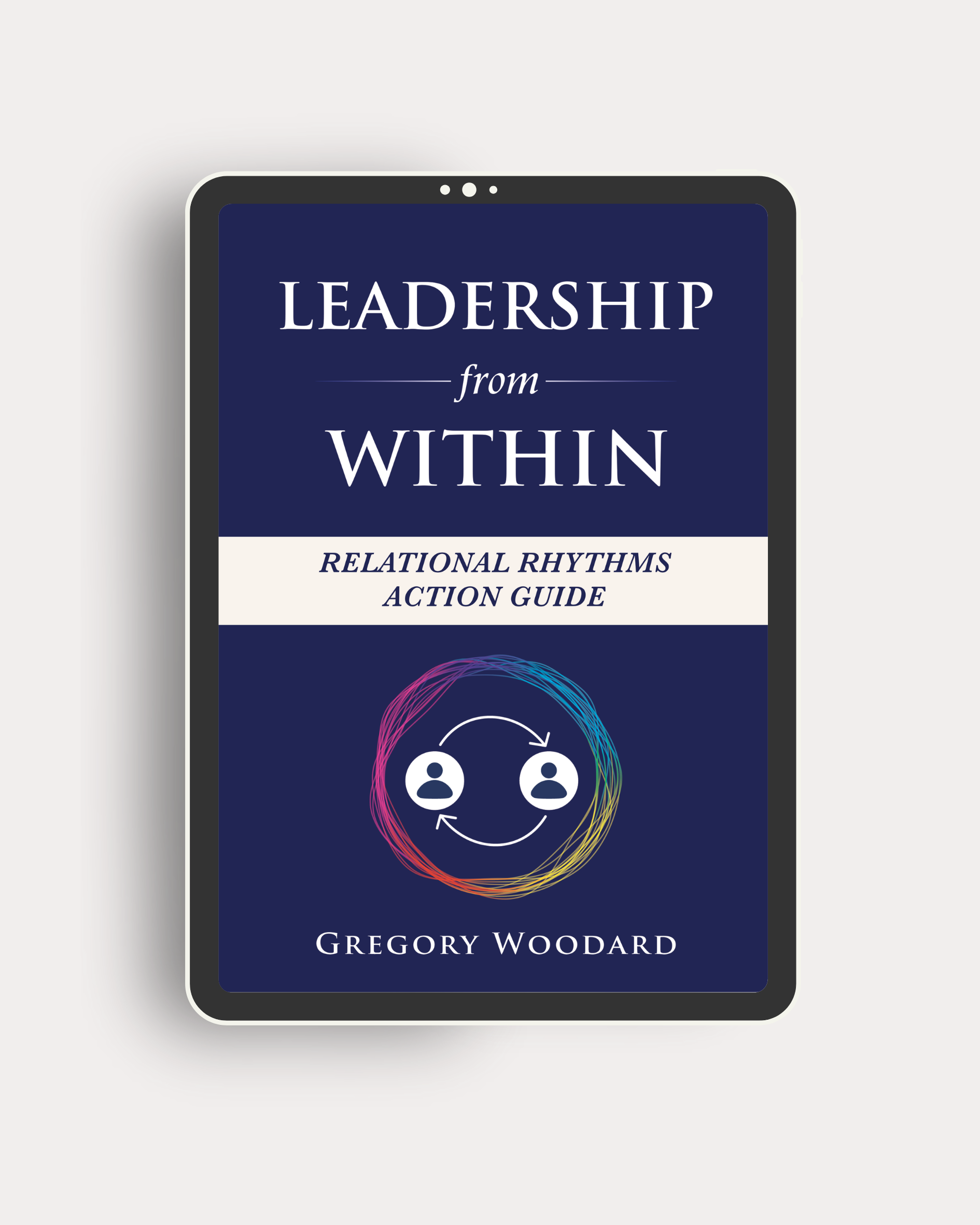
My Leadership from Within book includes an Action Guide covering the entire book contents.
As we near the end of summer, I have divided this guide into four parts, one for each section of the book. During August, I am offering away my Relational Rhythms Action Guide PDF to help you reflect on the practices essential for sustainable leadership.
Don’t miss out. Get your copy today.
