
How Physical Wellness Builds Capacity for Leadership, Family, and Service
Note: This post is the eighth article in my late 2026 Leadership from Within Rhythm series:
Relational Rhythms
Leadership Strength Isn’t Independence - It’s Skillful Connection
How Attachment Theory Shapes Your Leadership and Team Culture
Spiritual Rhythms
Emotional Rhythms
Physical Rhythms
My fourth action guide: Physical Rhythms is available here.
Join me for a live Leadership From Within Masterclass at 2:00 on December 15. During the masterclass, I’ll walk you through my four-step life rhythm model. You will leave the masterclass with a plan to build sustainable rhythms for a flourishing life in 2027.
We’ll go live on Zoom.
When Fitness Becomes About Appearance
In 1986, Marine Corps boot camp left me visibly transformed - a “ripped” physique that lasted only a season. The experience taught me an early lesson: physical appearance can change quickly, while deeper wellness requires a more lasting purpose.
Over the last forty years, fitness has shifted from functional preparation toward an aesthetic-driven industry amplified by social media. But regular exercise is not about achieving a ‘holy’ body shape.
Beyond the “Holy” Body
The physical fitness that comes from regular exercise is an integral part of our bodily rhythms. It is essential to living a holistically healthy life. Regular exercise is not about achieving a “holy” body shape, as Gary Thomas writes in Every Body Matters. Instead, it is about cultivating a “silver soul.”
Thomas names several legitimate motivations for physical fitness: living longer, looking younger, appearing more attractive, and maintaining good physical health. Each matters, but none is sufficient on its own.
Find a Purpose Beyond Appearance
Most commitments begin with energy but become difficult in the middle. Once we know the steps toward a goal, identifying the why will carry us through the desert between starting and finishing.
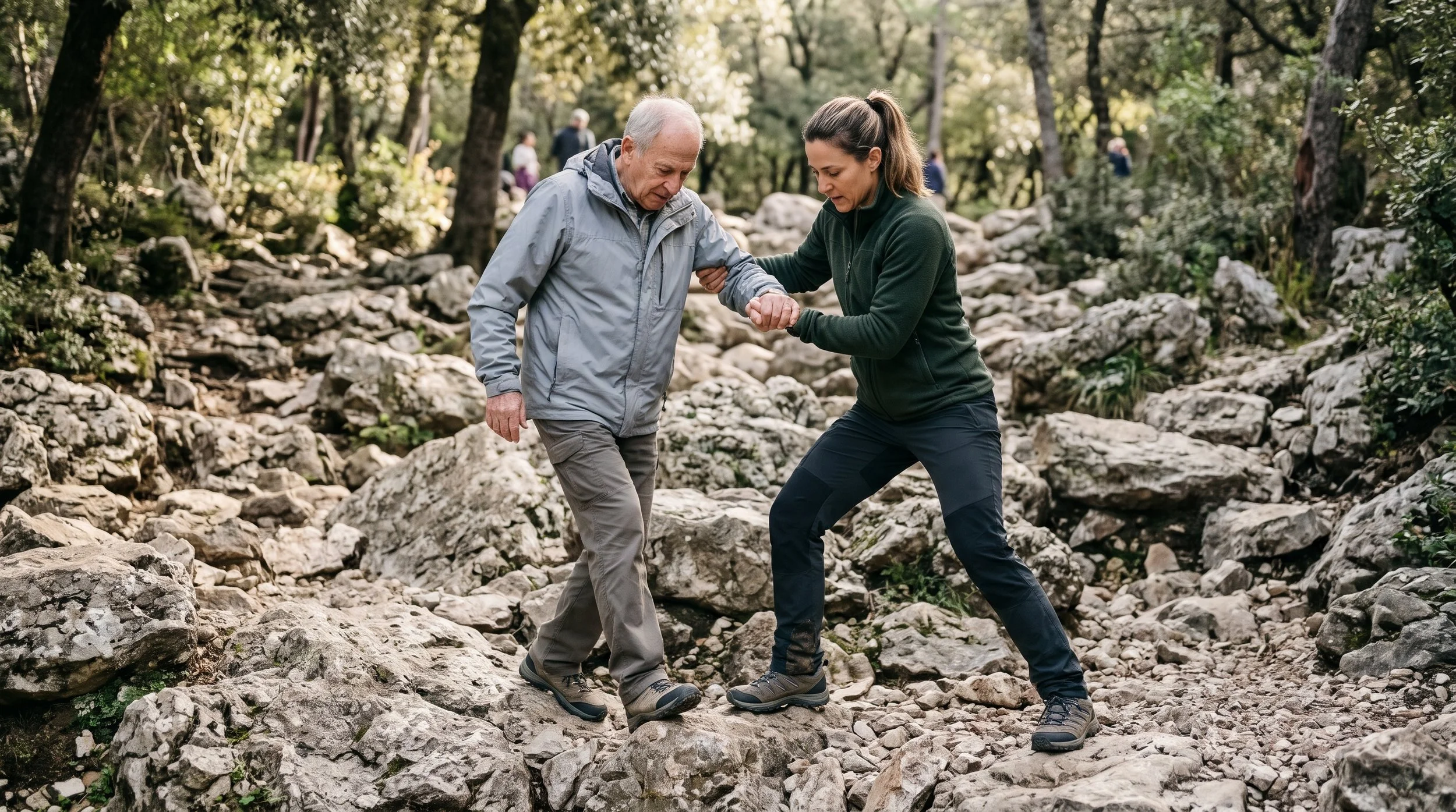
Why work on your fitness? When you take care of your physical self as one component of your whole person, your entire self benefits. Think about it this way. You are carrying extra weight, and getting up and down the stairs, even a short flight, leaves you out of breath. Your back and joints hurt. You lack the energy to engage with your children or grandchildren. You have trouble getting onto the floor when your little ones want to play.
Motivation fades during the difficult middle. A useful ‘why’ might be: “I’m losing weight so I’ll have more energy for my children and grandchildren. I want to model health for the people I love.” A purpose rooted in relationships and longevity can outlast the desire to look beach-ready.
Exercise can be motivated by enjoyment, health, achievement, social connection, and appearance. This chapter’s key distinction is that appearance works best as one motivation among several, not as the entire reason for exercising.
Wellness Is Interconnected
The body, mind, spirit, emotions, and relationships influence one another. When one falters, the others feel the strain; when one grows stronger, the whole person benefits.
This interconnection is why regular check-ins on our whole selves are so important and is not merely academic to me; it reflects realities I have experienced firsthand in my personal life and leadership contexts.
The neurological trauma I referenced in my previous post taught me that when one dimension of life falters- physical, emotional, spiritual, or relational- the others feel the strain. Wellness is interconnected.
Exercise as Emotional Regulation
As a chaplain, I relied on running, biking, strength training, and other forms of exercise to process the pain I carried for others. Physical activity gave me space to recover emotionally and remain present for the demanding relational work. The specific activity matters less than finding a form of movement you can sustain.
Research suggests that regular physical activity supports emotional resilience. Exercise may not eliminate negative emotions, but it can help people recover from them more quickly (researchers describe this as emotional flexibility). Other studies connect physical fitness with well-being across the lifespan and show that people with higher emotional intelligence are more likely to view exercise as a mood-management tool.
Movement, Mental Clarity, and Creativity
This post is based on a chapter from Leadership from Within, which I brought to life through a routine that integrated exercise, spiritual practice, outdoor movement, and focused work. That rhythm supported the creativity and endurance required to complete the book.
From Knowledge to Action: Larry’s Leadership Wellness Story
Understanding these principles intellectually differs vastly from implementing them practically. Many people recognize the importance of physical wellness, yet struggle to apply it consistently.
The knowledge-action gap often comes from three barriers: time-scarcity myths, expecting immediate results, and treating wellness as a separate task rather than part of personal wholeness.
Larry’s Starting Point
In 2009, Larry and I found ourselves in Washington, D.C., interviewing for the Navy Chaplain Corps. We were both in vocational ministry and sensing a military calling; we shared similar backgrounds but faced different challenges.
Larry was a twenty-five-year ministry veteran from Nebraska, confronted with a daunting reality: his 300-pound frame prevented him from meeting basic physical requirements. Before applying for chaplaincy, he needed to lose over 100 pounds. As I was nearing the completion of Leadership from Within, I asked Larry to share his story, a powerful testament to the importance of physical wellness in leadership.
The Real Barrier Was Trust
Though I met Larry in 2009, his commitment to physical transformation began in 2007. Working with a personal trainer, he adopted an intensive program tailored to meet Navy entry requirements. The greatest challenge wasn’t physical—it was psychological. “Trust was the hardest thing,” Larry explained. Transparency about his weight struggles, goals, and motivations felt vulnerable, yet he discovered unexpected support from his congregation.
How Fitness Changed Larry’s Leadership Presence
Larry's experience demonstrates the direct correlation between physical health and leadership capacity. As fitness improved, confidence soared. “People treated me differently as my body changed,” he observed. “I was being taken more seriously—both in the congregation and community—whereas my weight had previously hindered that respect.”
Accountability Made Change Sustainable
Larry scheduled workouts, planned his meals, and built accountability into his routine. His experience reflected a simple truth: “You don’t achieve victory by accident.”
Sustained Change Over Time
Larry’s transformation from 300 pounds to achieving physical wellness demonstrates how intentionality and willpower can revolutionize personal wellness, benefiting both the leader and everyone they serve. His military service exemplifies long-term commitment. Throughout his career, he worked hard to maintain accountability relationships and exceed Navy standards.
What Legacy Will You Leave?
A perfect physical being does not measure your legacy. Your legacy is written in the energy you bring to moments of crisis, the clarity you maintain under pressure, and the endurance you display when others falter.
The Marine Corps boot camp that transformed my physical appearance was never about looking “ripped.” It was about forging a leader capable of carrying the weight of responsibility, thinking clearly when chaos erupted, and maintaining emotional stability when others looked to me for direction. Your leadership demands the same integrated strength.
Exceptional people see the body not as a project to perfect, but as a vessel for purpose. The leaders I admire the most consistently show up, remain steady when storms hit, and think creatively when conventional solutions fail. Physical wellness supports the energy, clarity, and resilience that kind of effectiveness requires.
Your family and team depend on you showing up at full physical and mental capacity. They need a person with the physical vitality to maintain emotional stability, the energy to power through demanding days, and the mental sharpness to make critical decisions under pressure.
These expectations are not about chasing the elusive work-life balance myth. It’s about understanding a fundamental truth: your physical health determines your effectiveness.
Turn Wellness Into a Leadership Practice
This integration requires intentional design, not a hopeful accident. Start by auditing your current physical practices through a leadership lens. Does your morning routine prepare you for difficult conversations? Does your nutrition support sustained mental clarity during long meetings? Does your recovery practice enable emotional regulation under pressure? When you align physical wellness with leadership demands, exercise becomes a form of leadership development.
The invitation before you isn’t to join a gym or chase fitness trends. It's to embrace a profound truth: your body, mind, and spirit are inseparable partners in your life journey. When you honor this interconnection, you become a more complete human capable of inspiring others toward their wholeness.
Designing Your Future Capacity
Consider the person you aspire to become five years from now. Will you be the team leader who cancels meetings due to exhaustion, the parent too exhausted for meaningful conversations, or the mentor whose clarity of thought has diminished?
Or will you be someone whose integrated wellness enables sustained high performance? Your daily choices regarding physical wellness are investments in your future leadership capacity. Each workout, each mindful meal, and each recovery practice compounds over time, creating either increased vitality or accelerated decline.
Physical wellness is built through repeated choices. Each workout, meal, and recovery practice can strengthen your capacity to live and lead with strength and purpose.
Reflection Questions
What is your deepest reason for pursuing physical wellness?
Who benefits when you become healthier, more present, and more resilient?
What is one small practice you can schedule this week?
Five years from now, what kind of leader, parent, mentor, and friend do you want your daily choices to have shaped?
Are you seeking clarity in your faith journey? Are you seeking deeper discernment? Do you long to hear God's voice more clearly in your daily life? Are you seeking a deeper faith formation?
Do you have spiritual baggage? Have you experienced church hurt? Have you experienced spiritual trauma? Are you disappointed with God?
You can read more about spiritual direction and schedule a discernment call on my spiritual direction page.
I want you to experience spiritual direction. I am offering my direction services at no charge through the end of January.
I prayerfully await our call.
